 Northline Public Bid Intel
Public bid intelligence
Northline Public Bid Intel
Public bid intelligence
How to find public bid opportunities without wasting hours on bad fits.
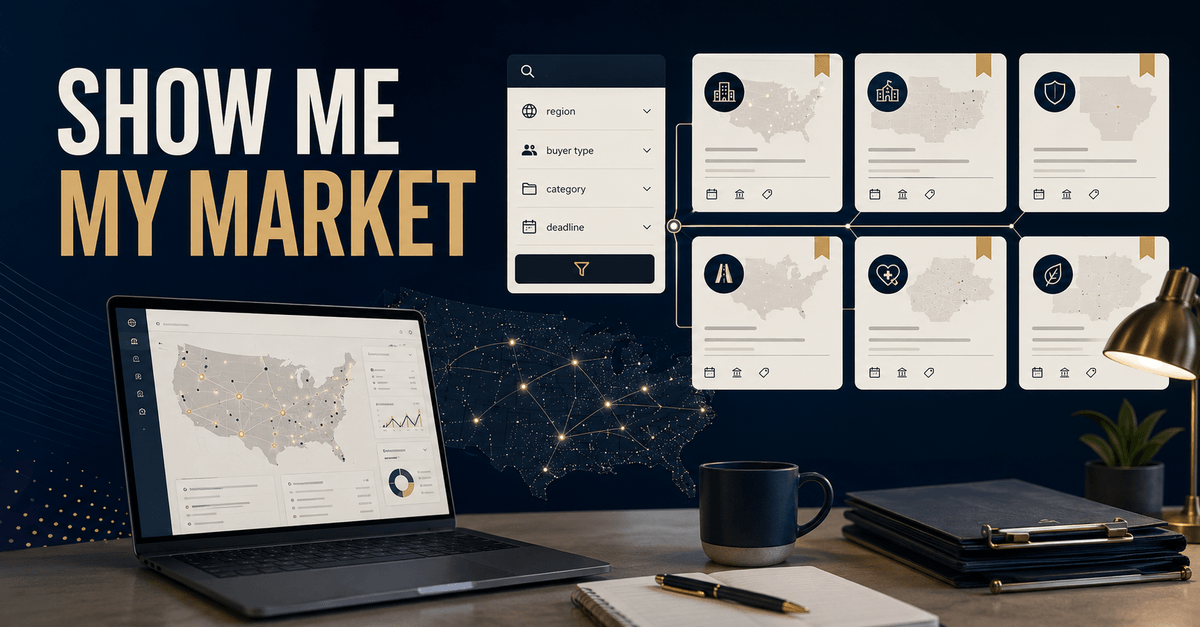
Public bid postings are free. The expensive part is screening scattered portals, opening packets, checking deadlines, and deciding which opportunities deserve a proposal team's attention.
Most public-bid searches start with the same mistake: treating a listing as useful because it has a title, agency, and due date. That leaves the real work for later. Someone still has to open the packet, scan the attachments, check the submission path, look for mandatory meetings, read addenda, and decide whether the bid fits the vendor or client.
A busy consultant does not need more raw alerts. A consultant needs the short list that already answers the first screening questions.
The job is finding the right postings, cutting the noise, and showing enough packet context for a fast review/skip decision.
Start with the buyer lane, not the database.
A good search starts with the market someone actually cares about. That might be janitorial work in California, IT support in Texas, grounds maintenance in Louisiana, pest control for school districts, or facilities work for municipal buyers.
The lane sets the source list. Federal opportunities may sit on SAM.gov. State opportunities may sit on a procurement portal. City, county, school board, university, airport, and housing authority opportunities may sit somewhere else entirely. One alert source will miss pieces of that market.
Open the packet before calling it an opportunity.
The title can look perfect while the packet creates a bad fit. A mandatory site visit may have passed. The buyer may require a license, bond, insurance limit, local registration, physical delivery, or pricing sheet the vendor cannot complete in time.
That is why Northline reads past the listing. We pull the fields that determine whether a consultant should show the opportunity to a client or move on.
The first-screening fields
- official source link, agency, location, and service category
- due date, timezone, submission path, and addenda status when visible
- mandatory meeting or site-visit flags
- set-aside, registration, licensing, insurance, bonding, and form requirements
- packet friction, likely vendor fit, and practical review/skip notes
Use bad-fit reasons as a product feature.
A useful bid feed should say why an opportunity may not be worth chasing. Maybe the timeline is too tight. Maybe the paperwork load is heavy for the contract size. Maybe the buyer requires a site visit the vendor cannot attend. Maybe the scope is broader than the headline suggests.
Those skip signals save time. They also help consultants protect client trust because they can explain why a tempting opportunity does not deserve a full proposal effort.
Build the feed around proof of work.
Northline Public Bid Intel starts with a custom sample. You send the region and category. We search the relevant public sources, open the available packets, and return a small set of packet-read opportunities with source links and screening notes.
The sample is narrow on purpose. It lets a consultant judge the value before subscribing to a recurring feed.
Request a custom sample feed.
Send the region, service category, buyer type, and any eligibility focus. We will build a packet-read sample around that lane.
Northline provides source-linked public-bid intelligence. We do not write proposals, submit bids, provide legal or procurement advice, or guarantee eligibility, compliance, pricing, or award outcomes.